

If you're searching for “new workout training tips in 2026”, you're likely looking for more than basic advice.
You want:
-
The latest science
-
Smarter training methods
-
Faster results
-
Sustainable progress
-
What’s actually working right now
Fitness in 2026 is no longer just about lifting heavy or running miles. It’s about precision, personalization, and performance optimization.
This guide breaks down the top workout training trends and proven strategies for 2026, backed by current performance science and real-world results.
1. AI-Powered Personalized Training
One of the biggest shifts in 2026 is AI-driven workout programming.
Fitness apps now:
-
Track recovery
-
Analyze performance trends
-
Adjust volume automatically
-
Detect fatigue patterns
-
Optimize progressive overload
Instead of static 12-week programs, workouts now adapt daily based on:
-
Sleep data
-
Heart rate variability (HRV)
-
Training history
-
Movement efficiency
Why This Matters
Personalization increases:
-
Strength gains
-
Muscle growth
-
Injury prevention
-
Consistency
2026 tip: Use performance tracking tools to adjust intensity instead of guessing.
2. Hybrid Training Is the New Standard


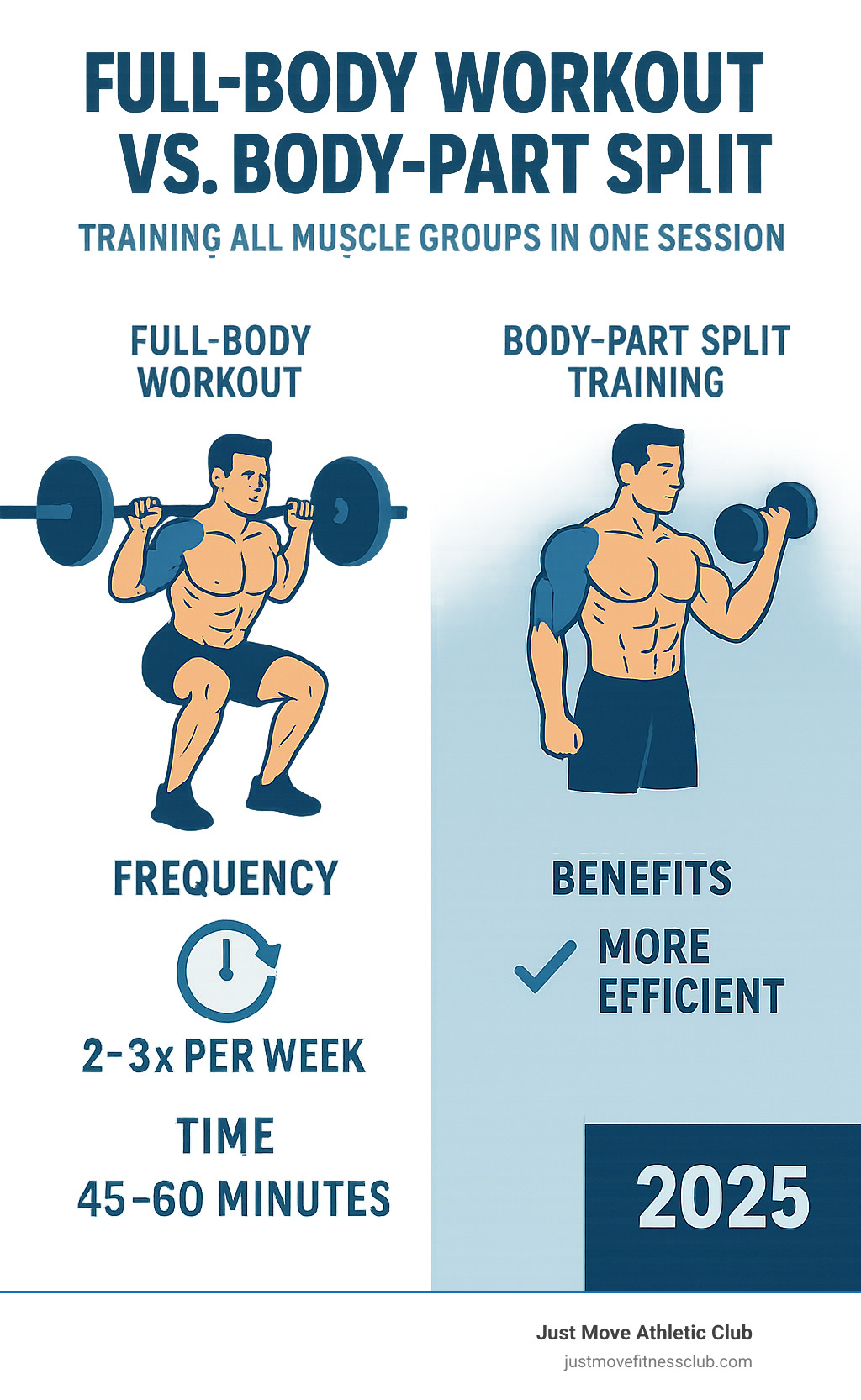
In 2026, athletes and everyday lifters are combining:
-
Strength training
-
Endurance work
-
Mobility sessions
-
Athletic conditioning
Hybrid training improves:
-
Body composition
-
Cardiovascular health
-
Work capacity
-
Longevity
Example Weekly Structure:
-
3 strength days
-
2 conditioning days
-
1 mobility-focused session
-
1 full rest day
This approach builds a physique that performs — not just looks good.
3. Muscle-Building in 2026: Time Under Tension 2.0
Traditional hypertrophy still works. But the focus has shifted toward:
-
Controlled eccentric phases
-
Pause reps
-
Stretch-mediated hypertrophy
-
Lengthened partials
Recent research shows muscle growth is highly stimulated when training in the lengthened position under tension.
2026 Muscle Tip:
Slow your lowering phase (3–4 seconds) and pause at the stretch point.
Example:
-
Dumbbell incline press: 3-second lower, 1-second pause, controlled press
4. Recovery Is Now Trained Like Strength


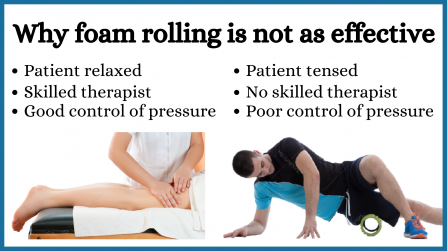
Recovery in 2026 includes:
-
Cold exposure
-
Red light therapy
-
Active mobility sessions
-
Sleep optimization protocols
-
Structured deload weeks
Athletes now program:
-
Recovery blocks
-
Sleep targets
-
Nervous system resets
Why Recovery Training Is a Trend
More recovery = more training volume = more growth.
Overtraining is no longer seen as “hardcore.”
It’s seen as inefficient.
5. Strength Training Remains King
Despite trends, one thing hasn’t changed:
Progressive overload still drives results.
In 2026, the focus is on:
-
Tracking reps precisely
-
Micro-loading weight increases
-
Controlling tempo
-
Tracking performance metrics weekly
New 2026 Strength Tip:
Instead of adding 10 lbs, add:
-
2.5 lbs weekly
-
Or 1 additional rep per set
Small improvements compound faster over time.
6. Functional Core Training > Endless Crunches

Core training in 2026 emphasizes:
-
Anti-rotation (Pallof presses)
-
Loaded carries
-
Stability under load
-
Rotational power
Why?
Because real-life strength requires resisting movement, not just flexing your spine.
7. Mobility Is Integrated, Not Separate
Instead of 30-minute stretching sessions, mobility is now:
-
Built into warm-ups
-
Programmed between sets
-
Used during cooldowns
Examples:
-
Hip openers between squat sets
-
Shoulder mobility during rest periods
-
Dynamic flexibility circuits
This reduces injury risk and improves performance simultaneously.
8. Data-Driven Fat Loss
Weight loss strategies in 2026 focus on:
-
Protein prioritization
-
Resistance training dominance
-
Steps tracking (8k–12k daily)
-
Moderate calorie deficits
-
Metabolic flexibility
Instead of extreme cardio, people are focusing on:
✔ Muscle retention
✔ Daily movement
✔ High-protein intake
✔ Sustainable deficits
9. Minimalist Efficiency Training
Not everyone has 90 minutes daily.
In 2026, efficient workouts are trending:
-
30–45 minute strength sessions
-
Superset-based training
-
High-intensity intervals
-
Density training blocks
You can build muscle in 45 minutes if:
-
Intensity is high
-
Rest is controlled
-
Volume is targeted
10. Mindset & Consistency Optimization
The biggest breakthrough in 2026 isn’t a supplement.
It’s behavioral psychology.
People now:
-
Set identity-based goals
-
Track streaks
-
Use habit stacking
-
Focus on consistency over perfection
Because the best workout plan is the one you follow for years.
Sample 2026 Weekly Workout Template
Day 1 – Upper Strength
-
Bench press
-
Row variation
-
Overhead press
-
Core stability
Day 2 – Conditioning
-
Sled pushes
-
Assault bike intervals
-
Mobility work
Day 3 – Lower Strength
-
Squats
-
Romanian deadlifts
-
Lunges
-
Loaded carries
Day 4 – Rest or Active Recovery
Day 5 – Hypertrophy Focus
-
Controlled tempo lifts
-
Lengthened partials
-
Isolation work
Day 6 – Conditioning / Athletic Day
-
Sprints
-
Med ball throws
-
Plyometrics
Day 7 – Rest

Frequently Asked Questions (FAQ)
What is the biggest workout trend in 2026?
AI-personalized programming combined with hybrid training (strength + endurance).
Is cardio still important in 2026?
Yes — but it’s integrated strategically, not excessive.
How often should I train in 2026?
4–6 days per week depending on recovery and intensity.
What is the best workout split in 2026?
Hybrid splits combining strength, conditioning, and mobility are most effective.
Final Thoughts
The best new workout training tips in 2026 aren’t flashy.
They’re smarter.
They’re personalized.
They’re recovery-focused.
They prioritize performance and longevity — not burnout.
If you want results this year, focus on:
-
Progressive overload
-
Recovery
-
Hybrid conditioning
-
Data tracking
-
Consistency
Train smarter. Recover harder. Improve weekly.
That’s the formula in 2026.