

If you’re searching “how to find the right gym to work out in”, you’re not alone.
Choosing the right gym can determine:
-
Whether you stay consistent
-
How fast you see results
-
How motivated you feel walking through the doors
-
Whether fitness becomes a lifestyle—or just another short-term attempt
This guide breaks down exactly how to choose the best gym for your goals, step-by-step, with practical criteria you can use immediately.
Why Choosing the Right Gym Matters
The wrong gym can lead to:
-
Low motivation
-
Overcrowded equipment
-
Poor cleanliness
-
Mismatched culture
-
Wasted money
The right gym:
-
Matches your goals
-
Fits your schedule
-
Feels motivating
-
Makes consistency easier
Fitness is about discipline—but your environment matters.
Step 1: Define Your Fitness Goals First
Before comparing gyms, ask:
What am I training for?
-
Weight loss
-
Muscle building / bodybuilding
-
Powerlifting
-
General health
-
Athletic performance
-
Group classes
-
Functional fitness / Cross-training
Your goal determines the type of gym you need.
Step 2: Understand the Different Types of Gyms
1. Commercial Chain Gyms

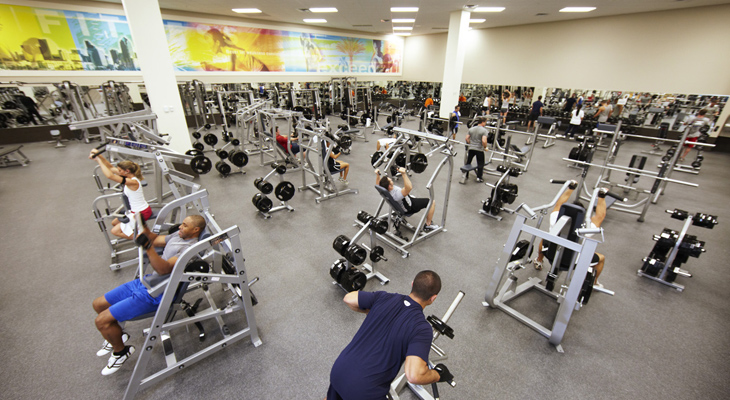
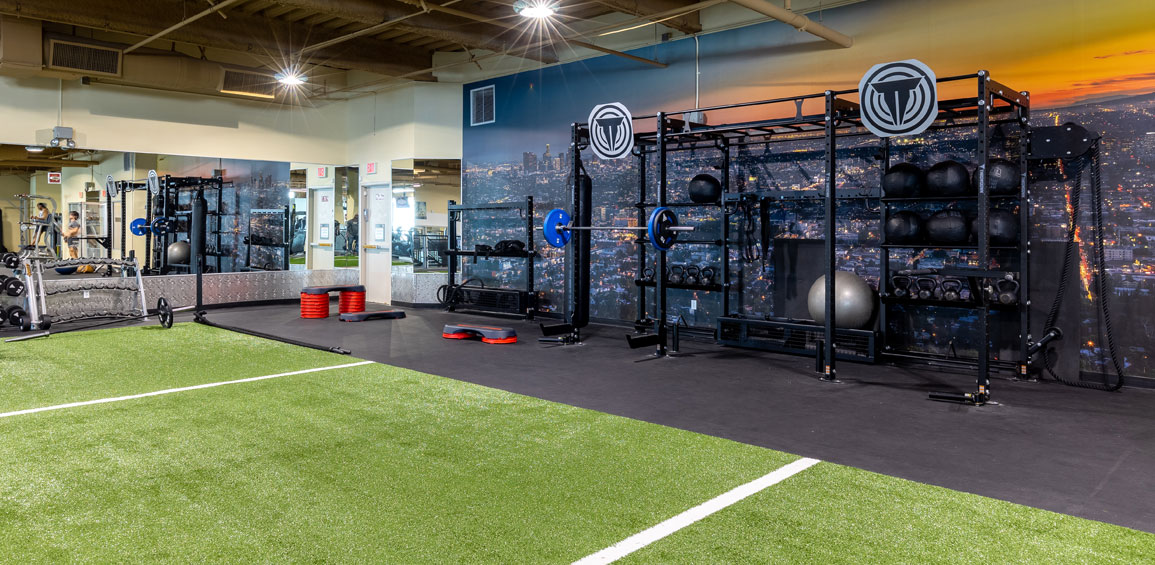
Examples:
-
Planet Fitness
-
LA Fitness
-
24 Hour Fitness
-
Anytime Fitness
Best for:
Beginners, general fitness, affordable access.
Pros:
-
Lower monthly cost
-
Lots of cardio machines
-
Long operating hours
-
Multiple locations
Cons:
-
Can be crowded
-
Less specialized equipment
-
Limited serious lifting atmosphere (varies by location)
2. Bodybuilding & Strength Gyms

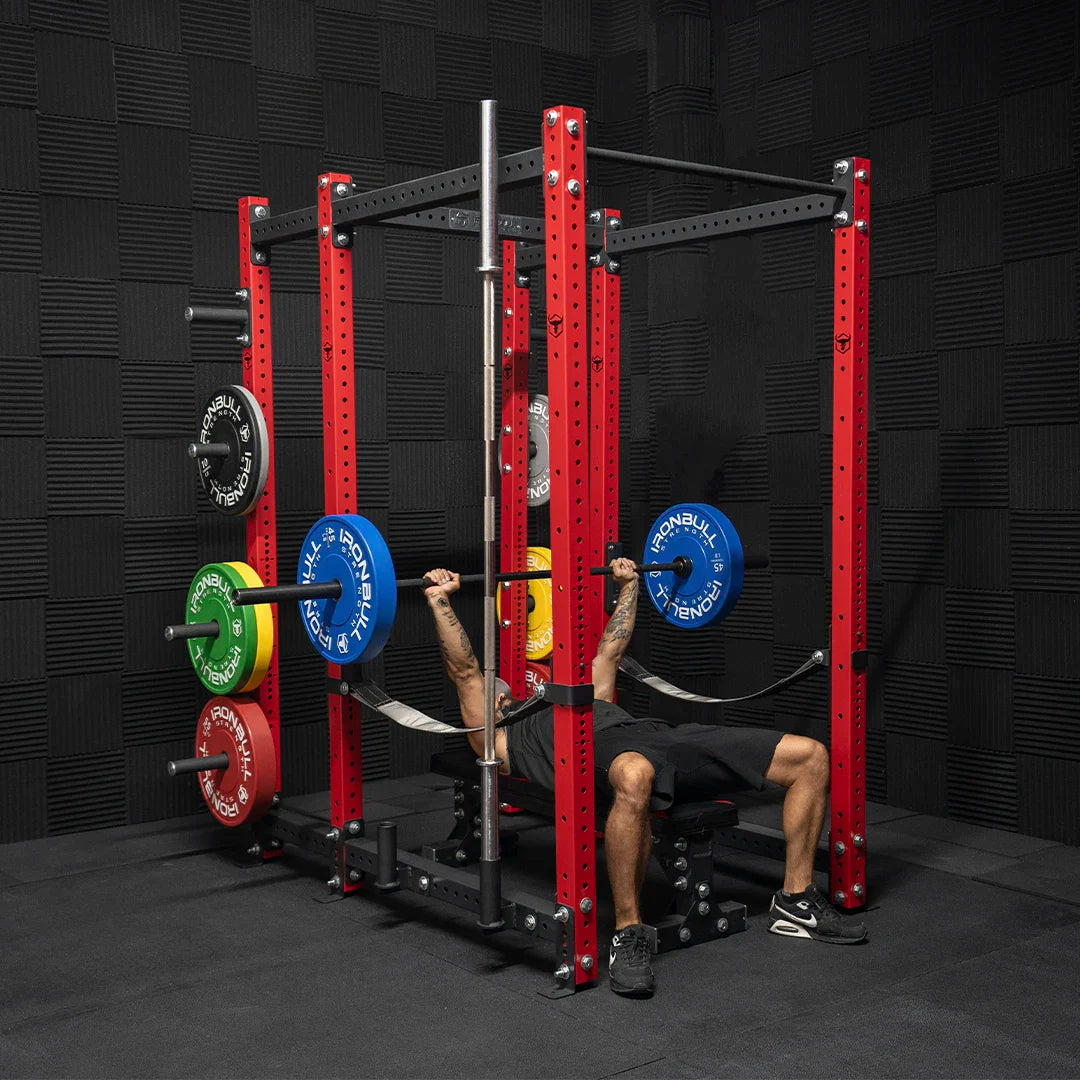

Best for:
-
Serious muscle building
-
Powerlifting
-
Competitive training
Pros:
-
Heavy-duty equipment
-
Multiple squat racks & platforms
-
Motivated lifting culture
-
Often less cardio traffic
Cons:
-
Fewer amenities
-
Sometimes higher membership cost
-
Intimidating for beginners
3. Boutique Fitness Studios
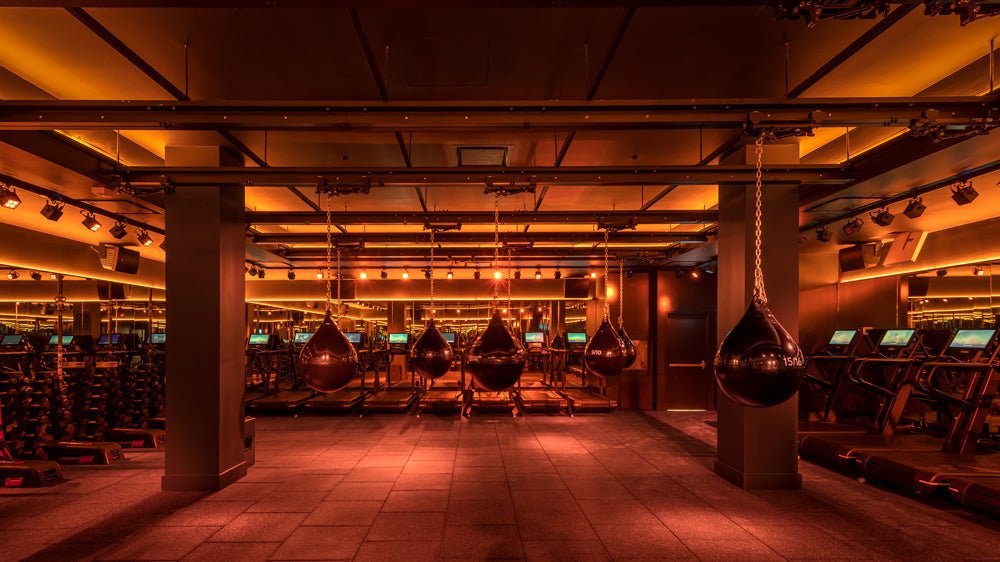


Best for:
-
Structured classes
-
Accountability
-
Community vibe
Pros:
-
Instructor-led workouts
-
Strong community feel
-
Programming done for you
Cons:
-
Higher cost
-
Limited open gym time
-
Less equipment freedom
Step 3: Evaluate Location & Convenience
When choosing a gym, ask:
-
Is it close to home or work?
-
Is parking easy?
-
Is traffic an issue during your workout time?
-
Are the hours compatible with your schedule?
Pro tip:
The best gym is the one you’ll actually show up to consistently.
If it’s 30 minutes away, you’ll eventually stop going.
Step 4: Check Equipment Quality & Availability
If your goal is strength training, look for:
-
Multiple squat racks
-
Deadlift platforms
-
Adjustable benches
-
Cable machines
-
Dumbbells up to heavy weight ranges
If your goal is weight loss:
-
Plenty of treadmills
-
Stair climbers
-
Bikes
-
Open space for circuits
Visit during peak hours (5–7 PM) before signing up.
If you can’t access equipment when you need it, it’s not the right gym.
Step 5: Assess the Culture & Atmosphere
This is the most overlooked factor.
Ask yourself:
-
Do I feel comfortable here?
-
Is the staff welcoming?
-
Are members serious or casual?
-
Does this environment push me?
Some gyms are loud, intense, and high-energy.
Others are relaxed and quiet.
Your personality matters.
If you thrive on intensity, choose a high-performance environment.
If you prefer privacy, choose something quieter.
Step 6: Compare Membership Costs & Hidden Fees
When comparing gym memberships, look at:
-
Monthly cost
-
Annual fees
-
Cancellation policy
-
Personal training upsells
-
Contract length
Many commercial gyms offer:
-
$10–$30/month options
-
12-month contracts
-
Cancellation fees
Boutique studios may cost:
-
$100–$250/month
Make sure the value matches your goals.
Step 7: Cleanliness & Maintenance
Check:
-
Locker rooms
-
Bathrooms
-
Equipment condition
-
Broken machines
-
Sanitizing stations
If machines are constantly broken, that’s a red flag.
Step 8: Try Before You Commit
Most gyms offer:
-
Free day passes
-
7-day trials
-
Guest passes
Use them.
Train there twice before committing.
One workout isn’t enough to judge.

Questions to Ask Before Joining a Gym
-
What are peak hours?
-
Are personal trainers included?
-
Is there a cancellation fee?
-
How often is equipment maintained?
-
Are there hidden costs?
How to Know You’ve Found the Right Gym
You know it’s right when:
-
You look forward to going
-
You feel motivated walking in
-
Equipment is accessible
-
The environment aligns with your goals
-
You can realistically maintain membership long-term
The right gym feels like a base of operations for your growth.
Final Checklist: Choosing the Best Gym for You
✔ Matches your fitness goal
✔ Convenient location
✔ Equipment supports your training
✔ Fits your budget
✔ Motivating environment
✔ Clean and well-maintained
Frequently Asked Questions (FAQ)
How do I choose a gym as a beginner?
Start with a commercial chain gym that offers affordability, variety of equipment, and flexible hours.
Is an expensive gym worth it?
Only if it increases your consistency and results. Price alone doesn’t determine quality.
How far should a gym be from my house?
Ideally under 15 minutes. The shorter the commute, the higher the consistency rate.
What is the average gym membership cost in 2026?
Most commercial gyms range from $10–$60 per month depending on amenities and location.
Conclusion
Finding the right gym isn’t about picking the most popular one.
It’s about choosing the environment that makes consistency automatic.
When the gym fits your goal, schedule, personality, and budget — progress becomes inevitable.

If you found this guide helpful, bookmark it and share it with someone currently searching for the right place to train.